공정거래 소송에서 라이브 네이션이 잠정 합의를 도출했습니다. 이번 합의는 공정한 경쟁 환경 조성을 위한 중요한 진전으로 여겨집니다. 이번 사례는 기업들의 공정거래 준수 노력을 보여주는 좋은 사례라고 할 수 있겠습니다.
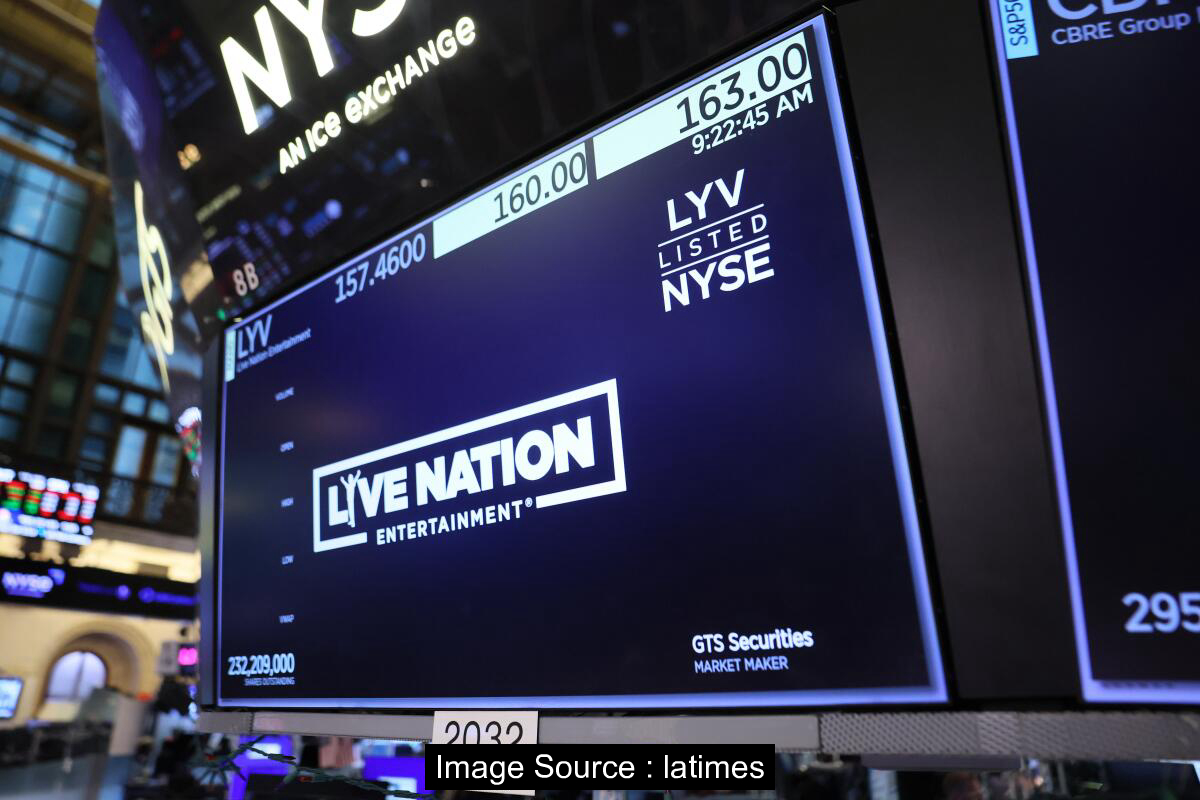
Live Nation Reaches Major Antitrust Settlement with Justice Department
Live Nation, the entertainment giant, has reached a settlement with the Justice Department in an antitrust case that put the company at risk of being separated from Ticketmaster. The settlement offer was announced in a court hearing on Monday, less than a week after the long-awaited trial began.
Under the proposed settlement, which still requires court approval, Live Nation will have to pay $280 million in damages to the suing states and allow competitors to sell tickets on its platform. The settlement also caps service fees at 15% and limits exclusivity contracts to four years.
Michael Rapino, the president and chief executive of Live Nation, said in a statement that the settlement marks a major step in improving the concert experience for artists and fans by giving artists greater flexibility in choosing their promotional partners and ticketing strategy, while also keeping the cost of a concert more affordable for fans.
Reactions to the Settlement
Experts remain divided on whether the settlement adequately addresses anticompetitive practices or falls short of protecting consumers from high ticket prices. Serona Elton, an attorney and interim vice dean at the University of Miami’s Frost School of Music, said the settlement can be understood in two ways: it’s either a win that addresses anticompetitive behaviors or a deal that does not go far enough.
Stephen Parker, the executive director of the National Independent Venue Assn., expressed some skepticism about the proposed settlement, stating that it does not appear to include any specific and explicit protections for fans, artists, or independent venues and festivals. He also said that the reported details indicate that ticket resale platforms could be further empowered, which would likely exacerbate the price gouging potential for predatory resellers and the platforms that serve them.
The settlement marks the potential end to one of the major legal battles Live Nation is facing, as the company is also being sued by the Federal Trade Commission and is dealing with a handful of class-action lawsuits from groups of concertgoers.
Implications of the Settlement
If the settlement is approved by the court, it will require major structural changes to Live Nation’s ticketing services. The Beverly Hills-based company will have to open parts of its platform to rival ticketing operators, allowing third-party sellers such as SeatGeek to list tickets and have access to Ticketmaster’s technology.
The settlement also limits Ticketmaster’s exclusivity contracts to four years and allows venues to place a number of their tickets on competing platforms. This is a key change, as the original lawsuit argued that Ticketmaster’s alleged exclusivity contracts, which required artists who booked Live Nation-owned venues to also use its ticketing services, were anticompetitive.
The agreement also includes an eight-year extension of the company’s consent decree with the Justice Department, which will further regulate the company’s practices.
Impact on the Industry and Consumers
The settlement has the potential to impact the live music industry and consumers in various ways. Venues could benefit from the adjustments, as they will have more flexibility in their ticketing decisions. However, experts caution that music fans should not expect this settlement to bring ticket prices down to an affordable level, as there are other factors behind the sky-high ticket prices.
The reported details of the settlement also indicate that ticket resale platforms could be further empowered, which could exacerbate the price gouging potential for predatory resellers and the platforms that serve them. This has raised concerns from organizations like the National Independent Venue Assn., who view this as a failure of the justice system.
Overall, the settlement represents a significant development in the ongoing battle over the live music industry’s ticketing practices, and its impact on the industry and consumers remains to be seen.