와츠 폐기물 처리장에서 발생한 문제가 지역 주민들의 안전을 위협하고 있습니다. 처리장 폐쇄 이후에도 유독성 증기가 잔존하여 인근 고등학교와 주민들에게 위험을 초래하고 있는 것으로 나타났습니다. 이에 대한 대책 마련이 시급한 상황입니다.
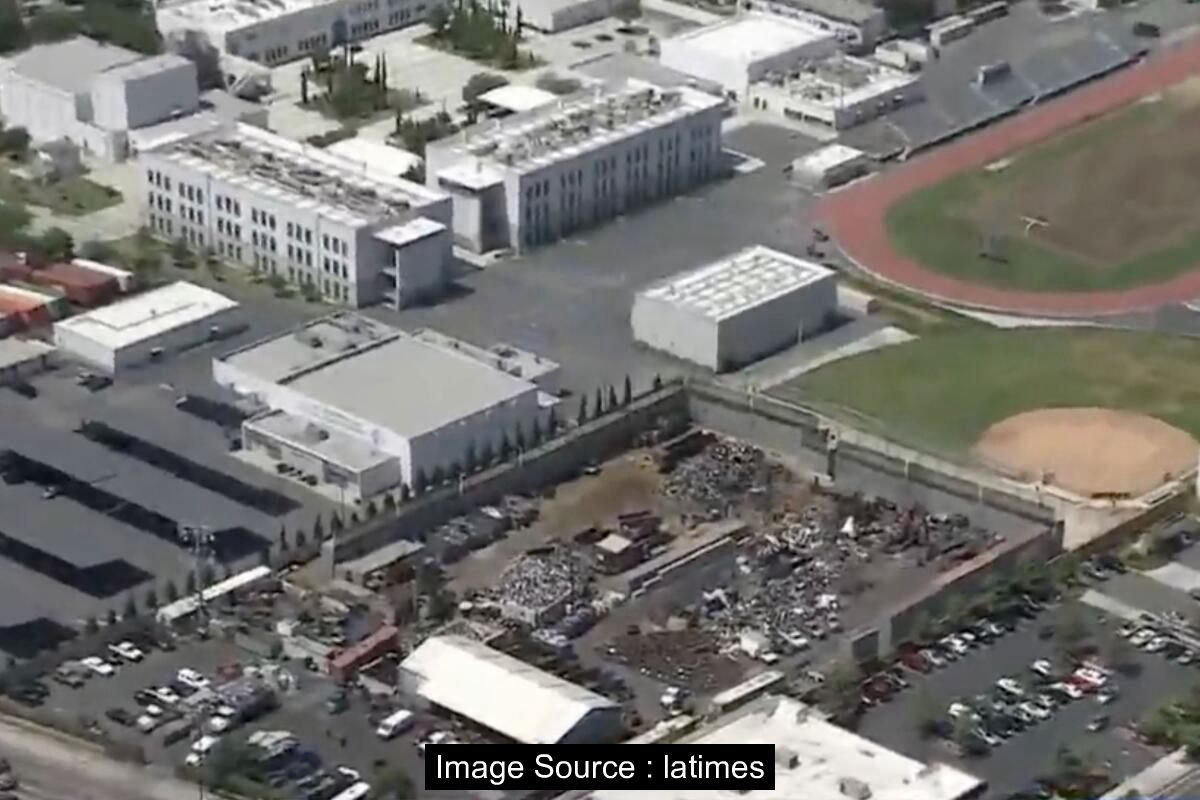
S&W Atlas Iron & Metal: A Toxic Legacy
S&W Atlas Iron & Metal, a notorious scrap metal recycling facility in Watts, Los Angeles, has a long history of environmental violations and crimes that endangered the neighboring Jordan High School and the Watts community. Despite the court-ordered closure of the facility last year, the environmental damage it has caused may be far from over.
For nearly 75 years, the facility crushed car parts, shredded aluminum cans, and processed an assortment of recyclable metals, leaving behind a trail of environmental degradation. The facility and its owners were convicted of crimes that put the health and safety of the students and residents at risk, with the campus of Jordan High School being pelted with shrapnel and blanketed in layers of toxic, metallic dust.
The shutdown of the facility may have only marked the beginning of a lengthy process to erase decades of environmental damage. Recent investigations have revealed a witch’s brew of toxic chemicals percolating in the soil and groundwater beneath the site, with levels of contaminants like vinyl chloride reaching over 1.3 million times the state benchmark.
Spreading Contamination and Unanswered Questions
The discovery of these astronomical levels of toxic chemicals has raised concerns among Watts residents and school district officials about the potential for the contaminants to migrate with groundwater, posing a risk to the neighboring Jordan High School and the Jordan Downs housing complex.
The cleanup of the Atlas site has been slow, and the company has failed to promptly advise the Los Angeles Unified School District about the contamination found just feet away from the school campus and the adjacent housing development. This has left the community and the school district uncertain about who will be responsible for the costly cleanup.
The issue of toxic pollution spreading from former industrial sites is not unique to Watts. In other communities, such as Lincoln Heights and Jurupa Valley, residents have faced similar challenges in holding polluters accountable and addressing the long-term consequences of environmental degradation.
Uncovering the Hidden Dangers
The contamination found beneath the Atlas site is particularly concerning because many of the chemicals detected can evaporate at room temperature and seep into buildings through cracks in foundations, floor drains, or other gaps, a process known as vapor intrusion.
Air sampling conducted at Jordan High School has detected the presence of these toxic vapors infiltrating the school buildings, raising concerns about the potential health risks to students and staff. However, the school district says the concentrations detected so far have not warranted the closure of school buildings.
The community and the school district are now pleading with state regulators to compel Atlas to commit to a comprehensive cleanup of the toxic fallout. The case has raised doubts about the company’s financial ability to pay for the necessary remediation, leaving the community to wonder who will ultimately be responsible for addressing the long-term consequences of the facility’s operations.
Seeking Accountability and a Path Forward
The shutdown of the Atlas facility may have been a victory for the community, but the battle is far from over. The community leaders, like Timothy Watkins of the Watts Labor Community Action Committee, are determined to ensure that the case moves from the courtroom to the cleanup phase.
The lack of a clear champion for the community’s interests has made the process of holding the polluter accountable and securing the necessary resources for the cleanup even more challenging. The community is forced to navigate this issue with limited resources, raising the question of who will ultimately be responsible for addressing the long-term consequences of the facility’s operations.
As the community continues to grapple with the legacy of environmental degradation left by the Atlas facility, the case serves as a stark reminder of the importance of holding polluters accountable and ensuring that the cleanup of contaminated sites is prioritized to protect the health and well-being of the affected communities.